Newsletter Subscribe
Enter your email address below and subscribe to our newsletter
Enter your email address below and subscribe to our newsletter

 ByJohn A
Imagine the feeling of driving down the open road, the engine purring like a contented cat, every component inside working in perfect harmony. This symphony of metal and power owes much of its elegance to a singular, often overlooked element—motor oil. Without this vital fluid coursing through your vehicle’s veins, your car would be merely an assembly of incongruent parts, lacking the finesse that transforms it into a high-performing machine. Motor oil is indeed the lifeblood of your car’s engine, ensuring that it operates smoothly, efficiently, and powerfully.
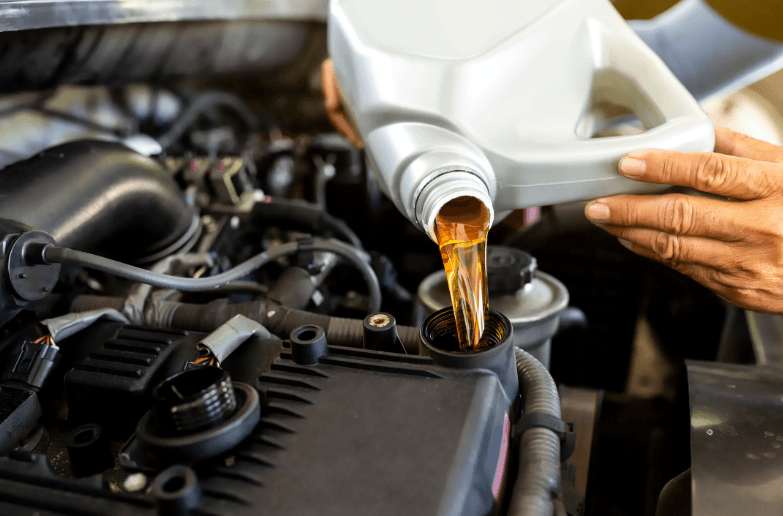
The primary function of engine oil is to lubricate the engine’s moving parts, reducing friction and wear. But its role extends far beyond just keeping things slick. Engine oil also cleans engine components, prevents corrosion, improves sealing, and cools the engine by carrying heat away from moving parts. When you think of 5w30 engine oil, envision it as the conductor of an orchestra, guiding each section to create a harmonious performance. The “5w” indicates the oil’s viscosity at low temperatures, while “30” represents its viscosity at high temperatures, ensuring optimal performance regardless of the weather.
Consider the concept of transmutation, the ancient idea of turning base metals into gold. In many ways, motor oil acts as a modern-day alchemist, transmuting the raw power of combustion into smooth, controlled motion. Without it, the engine’s potential would remain locked away, unreachable and unrefined.
Selecting the optimal engine oil is crucial for maintaining your car’s high performance. Many motorists are overwhelmed by the array of options available, but understanding your vehicle’s specific needs can simplify the decision-making process. For instance, 5w30 engine oil is commonly recommended for its balanced performance across different temperatures, making it a versatile choice for many vehicles.
It’s important to consult your car’s manual or a trusted mechanic to determine the best oil type. Modern engines are designed with precision and require specific oil formulations to function optimally. Using the wrong oil is akin to firing the wrong type of bullet in a firearm—it might work initially, but it’s neither safe nor sustainable in the long run. The consequences could be dire, leading to increased engine wear or even catastrophic failure.
Regularly checking and changing your engine oil is one of the simplest yet most effective ways to extend your vehicle’s life. You, as a diligent car owner, should embrace this ritual with the same reverence you would any other essential maintenance task. Start by checking the oil level using the dipstick, ensuring it falls between the recommended markers. If the oil appears dark or gritty, it’s time for a change.
Remember, the frequency of oil changes depends on several factors, including your driving habits, the age of your car, and the type of oil used. Many modern vehicles utilize synthetic oils that last longer than conventional ones, but no matter the type, adhering to a regular maintenance schedule is crucial.
Owning a car is often an emotional experience, one that transcends mere utility. It’s your reliable companion on countless journeys, a symbol of freedom and independence. Just as you would care for a beloved pet or cherished possession, you must nurture your vehicle, ensuring it receives the attention and care it deserves.
Imagine your car as an extension of yourself, a reflection of your personality. Neglecting its needs would be incongruent with the pride you take in its appearance and performance. By prioritizing regular oil maintenance, you not only enhance your vehicle’s longevity and efficiency but also honor the bond you share with it.
Being attuned to your car’s needs involves recognizing the signs that it requires an oil change. One of the clearest indicators is the illumination of the oil change or check engine light on your dashboard. Other signs include increased engine noise, the presence of oil leaks, or a noticeable decrease in fuel efficiency. You might also notice a burning oil smell or excessive exhaust smoke, which are often red flags for immediate attention.
When any of these symptoms arise, it’s imperative to address them promptly. Ignoring them could lead to more severe issues down the line, affecting not just your car’s performance but also your safety on the road.
See also: How Businesses Optimize Technology Investments
Maintaining your car’s engine oil may seem like a small task, but its long-term benefits are substantial. Regular oil changes can improve gas mileage, reduce emissions, and enhance overall engine performance. In the grand scheme of vehicle ownership, this simple act of maintenance can save you significant time, money, and stress.
Moreover, adhering to a consistent oil change schedule reflects a proactive approach to vehicle care. It demonstrates a commitment to preserving your car’s integrity and performance, ensuring that it remains a reliable partner on all your adventures.
In the end, the role of motor oil in your car’s performance is undeniable. By choosing the right engine oil and maintaining it diligently, you unlock your vehicle’s full potential, ensuring it purrs with power and precision for years to come. So, the next time you hit the road, take a moment to appreciate the humble yet mighty motor oil—your car’s silent ally in the pursuit of high performance.