Newsletter Subscribe
Enter your email address below and subscribe to our newsletter
Enter your email address below and subscribe to our newsletter

 ByJohn A
In recent years, automotive design and safety engineering have undergone a major shift. One of the most noticeable changes is the widespread adoption of Daytime Running Lights (DRLs). Once considered a premium feature, DRLs are now becoming a standard inclusion across most modern vehicles. A combination of safety regulations, consumer awareness, and advancements in lighting technology drives this evolution.
Brands like SEALIGHT, available at sealight-led.com, have played a significant role in making automotive LED lights and other advanced lighting solutions more accessible, efficient, and reliable for both manufacturers and aftermarket users.
Daytime Running Lights are low-intensity front lights that automatically turn on when a vehicle is running during daylight hours. Their primary purpose is not to illuminate the road for the driver, but to make the vehicle more visible to others.
This increased visibility significantly reduces the risk of daytime collisions, especially in conditions where sunlight glare, weather, or traffic congestion can reduce awareness.
Today, many automakers integrate DRLs as a standard safety feature rather than an optional add-on. This shift is largely influenced by global safety standards and consumer demand for safer vehicles.
Studies across multiple regions have shown that vehicles equipped with DRLs are less likely to be involved in daytime accidents. Increased visibility helps other drivers, cyclists, and pedestrians detect vehicles earlier, reducing reaction time and preventing collisions.
This is where modern lighting technologies, such as safety daytime running lights, become essential. They ensure consistent illumination without draining excessive power from the vehicle.
Governments in Europe, North America, and parts of Asia have introduced regulations that encourage or mandate DRLs in new vehicles. Automakers, therefore, must prioritize compliance to sell in multiple markets.
This global standardization pushes manufacturers to integrate efficient lighting systems early in the vehicle design process rather than treating them as aftermarket additions.
Traditional halogen lighting systems consume more energy and generate more heat. Modern LED-based DRLs, however, are far more efficient, long-lasting, and environmentally friendly.
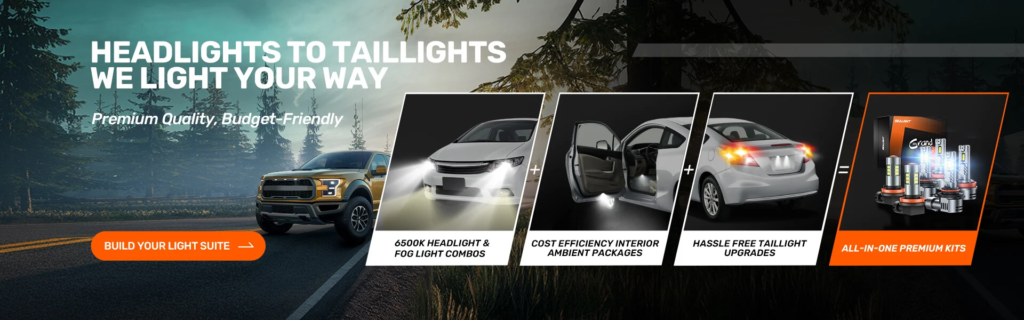
Advancements in automotive LED lights technology have made it easier for automakers to incorporate bright, compact, and energy-saving lighting systems into vehicle designs without compromising battery efficiency or performance.
SEALIGHT, for instance, specializes in LED lighting solutions that focus on durability and brightness optimization, making them suitable for both OEM and aftermarket applications.
DRLs are no longer just about safety—they are also a design statement. Automakers use signature light patterns to distinguish their vehicles on the road. From sharp LED strips to dynamic lighting sequences, DRLs have become a key part of automotive branding.
Luxury and mainstream manufacturers alike now treat lighting design as an extension of identity, making vehicles instantly recognizable even from a distance.
Modern car buyers are more informed than ever. Safety features rank high on purchasing decisions, and DRLs are often associated with higher-end, safer vehicles.
At the same time, consumers appreciate the sleek, modern aesthetic that LED lighting provides. This dual demand—safety plus style—has accelerated DRL adoption across all vehicle segments.
See also: Motor Oil: The Key to Your Car’s High Performance
As automakers continue to prioritize lighting innovation, companies like SEALIGHT are helping bridge the gap between OEM standards and aftermarket upgrades. By focusing on high-performance LED technology, SEALIGHT supports drivers who want to enhance visibility, safety, and vehicle aesthetics.
Their product ecosystem is available at sealight-led.com and demonstrates how modern lighting solutions are evolving to meet the demands of both manufacturers and everyday drivers.
The growing emphasis on Daytime Running Lights is not a passing trend—it represents a fundamental shift in automotive safety and design philosophy. Automakers are prioritizing DRLs because they improve visibility, meet regulatory requirements, reduce energy consumption, and enhance vehicle aesthetics.
With advancements in LED innovation and companies like SEALIGHT leading the way, the future of automotive lighting is brighter, safer, and more efficient than ever.