Newsletter Subscribe
Enter your email address below and subscribe to our newsletter
Enter your email address below and subscribe to our newsletter

 ByJohn A
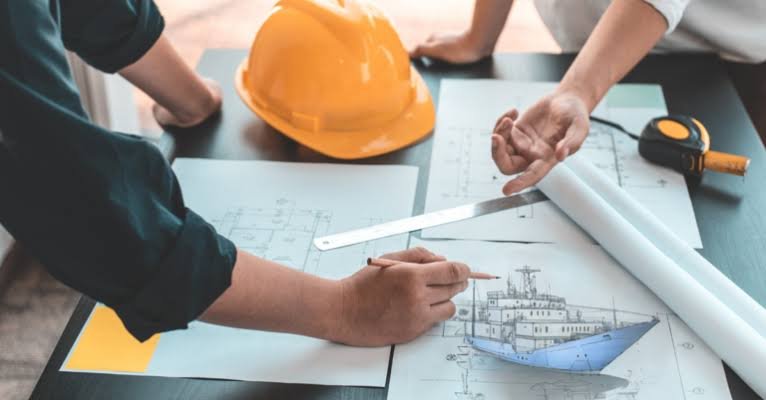
Ship design is the specialized process of planning, engineering, and developing vessels that can safely, efficiently, and reliably operate on water. From cargo ships and passenger ferries to offshore support vessels, naval ships, cruise liners, tankers, and research vessels, every marine structure begins with a detailed design process. Modern ship design combines naval architecture, marine engineering, structural analysis, hydrodynamics, propulsion systems, safety regulations, and operational requirements into one complete vessel concept.
In simple terms, ship design is about turning an operational need into a working vessel. A shipping company may need a fuel-efficient cargo vessel, an offshore operator may require a platform supply vessel, or a government may need a patrol boat. In each case, engineers must balance performance, stability, strength, safety, cost, environmental impact, and long-term maintenance. Because ships operate in demanding marine environments, the design must account for waves, wind, corrosion, cargo loads, fuel consumption, machinery performance, crew comfort, and international maritime standards.
Today, ship design has become more advanced than ever. Digital modeling, computer-aided design, simulation software, energy-efficient hull forms, hybrid propulsion, and emission-reduction technologies are transforming the way vessels are engineered. As global trade, offshore energy, defense, tourism, and marine research continue to grow, ship design plays a critical role in shaping the future of maritime transportation.
Ship design is the complete engineering process used to create a vessel that meets specific operational, commercial, safety, and regulatory goals. It begins with understanding the vessel’s purpose. For example, a container ship is designed to carry standardized cargo boxes across oceans, while a tugboat is designed for pulling and maneuvering other vessels in ports and coastal waters. Similarly, offshore vessels must support oil, gas, wind energy, and subsea operations, while passenger vessels must prioritize comfort, evacuation safety, accessibility, and onboard services. This is why ship design is never a one-size-fits-all process; every vessel has a unique mission profile.
A major part of ship design involves naval architecture, which focuses on the hull shape, stability, buoyancy, resistance, seakeeping, and overall arrangement of the vessel. The hull must be shaped so the ship can move through water efficiently while remaining stable in different loading conditions. Engineers calculate displacement, draft, freeboard, center of gravity, center of buoyancy, and metacentric height to make sure the vessel performs safely. At the same time, marine engineers work on propulsion systems, power generation, fuel systems, cooling systems, electrical networks, automation, and machinery layout. Structural engineers ensure the vessel can withstand wave loads, cargo stresses, vibration, fatigue, and harsh marine conditions.
Modern ship design also includes environmental and economic considerations. Shipowners want vessels that consume less fuel, require lower maintenance, and comply with international emission rules. Therefore, designers may use optimized hull forms, energy-saving devices, lightweight materials, advanced coatings, hybrid power systems, or alternative fuels. In addition, digital tools allow engineers to test vessel performance before construction begins. This reduces design errors, improves safety, and helps shipyards build vessels more efficiently. Ultimately, ship design is the foundation of successful vessel engineering because it determines how well a ship performs throughout its entire service life.
The ship design process usually moves through several important stages, starting with the concept design. At this early stage, designers work with the vessel owner or operator to define the ship’s purpose, cargo capacity, speed, range, operating area, crew requirements, regulatory class, and budget. These basic requirements are known as the design brief. For example, a ship intended for deep-sea cargo transport will need different dimensions, fuel capacity, stability criteria, and machinery arrangements than a vessel operating only in sheltered coastal waters. During concept ship design, engineers compare different ideas and choose the most practical vessel configuration.
After the concept stage, the preliminary design phase begins. This is where the vessel’s main dimensions are developed, including length, beam, depth, draft, displacement, deadweight, engine power, and hull form. Designers create early general arrangement drawings showing cargo spaces, accommodation areas, engine rooms, navigation bridge, tanks, deck equipment, and safety systems. They also perform initial stability calculations, resistance estimates, speed-power predictions, and structural evaluations. This stage is crucial because decisions made here affect construction cost, fuel efficiency, payload, and operational performance.
Next comes the contract design and detailed design phase. In contract ship design, technical specifications are refined so the shipyard can estimate construction cost and sign a building agreement. Once the project moves forward, detailed design begins. This includes production drawings, steel structure plans, piping diagrams, electrical layouts, machinery foundations, HVAC systems, fire protection plans, insulation details, outfitting drawings, and equipment integration. Classification societies and maritime authorities review the drawings to confirm compliance with safety and construction rules.
Finally, the design supports construction, testing, and delivery. During shipbuilding, engineers may revise drawings, solve technical conflicts, and assist the shipyard with production issues. After construction, the vessel undergoes sea trials to test speed, maneuverability, propulsion, steering, emergency systems, noise, vibration, and safety equipment. A strong ship design process reduces construction delays, improves vessel quality, and ensures the final ship performs as intended. Therefore, each stage must be handled carefully, with close coordination between shipowners, naval architects, marine engineers, shipyards, suppliers, and regulatory bodies.
Modern ship design includes many interconnected technical elements, and each one affects the vessel’s overall performance. One of the most important elements is hull design. The hull is the main body of the ship, and its shape determines how efficiently the vessel moves through water. A well-designed hull reduces resistance, improves speed, saves fuel, and increases stability. Designers consider the vessel’s route, cargo type, operating speed, wave conditions, and loading patterns when developing the hull form. For example, high-speed vessels may need slender hulls, while heavy cargo vessels require strong displacement hulls with large carrying capacity.
Another key element of ship design is stability. A vessel must remain upright and safe under different loading and sea conditions. Stability calculations ensure that the ship can resist capsizing, recover from rolling motions, and operate safely even when cargo, fuel, ballast, or passengers shift. Ballast systems are especially important because they help adjust draft, trim, and stability during operations. Along with stability, structural strength is essential. Ships face wave bending, torsion, slamming, vibration, cargo pressure, and machinery loads. As a result, the vessel’s steel structure, framing, bulkheads, decks, and supports must be designed to handle these forces throughout the ship’s life.
Propulsion and power systems are also central to ship design. Designers must select engines, propellers, gearboxes, shafts, thrusters, generators, batteries, and control systems that match the vessel’s mission. A large ocean-going cargo vessel may use a slow-speed diesel engine, while a modern ferry may use hybrid-electric propulsion. Offshore vessels may require dynamic positioning systems that allow them to maintain position near platforms or wind turbines. Additionally, electrical systems, automation, navigation equipment, communication systems, and safety controls must be integrated into the vessel design.
Comfort and functionality also matter. Crew accommodation, bridge visibility, cargo handling, access routes, emergency escape paths, maintenance spaces, ventilation, lighting, and noise control all influence day-to-day operations. Good ship design makes the vessel easier to operate, safer to maintain, and more efficient over time. Because a ship is a complex floating workplace, every technical detail must support the vessel’s purpose, safety, and long-term value.
Read Also: What Is Mechanical Testing? A Complete Guide for Beginners
Ship design must follow strict maritime standards because vessels operate in challenging environments and often carry valuable cargo, fuel, passengers, or specialized equipment. International regulations help ensure that ships are safe, environmentally responsible, and suitable for their intended service. One of the most important regulatory frameworks is SOLAS, the International Convention for the Safety of Life at Sea, which covers lifesaving appliances, fire protection, subdivision, stability, navigation safety, and emergency systems. Another major framework is MARPOL, which focuses on preventing marine pollution from ships, including oil pollution, sewage, garbage, air emissions, and harmful substances.
In addition to international regulations, ship design must comply with classification society rules. Classification societies such as Lloyd’s Register, DNV, ABS, Bureau Veritas, and others set technical standards for hull structure, machinery, electrical systems, materials, welding, safety equipment, and survey procedures. A vessel built under class receives certification that confirms it meets specific engineering and safety requirements. This is important for insurance, financing, port entry, resale value, and legal operation.
Safety is deeply integrated into ship design. Designers must plan fire zones, watertight compartments, emergency exits, rescue boats, alarms, firefighting systems, bilge systems, ventilation shutdowns, and evacuation routes. Passenger vessels require special attention because many people may need to evacuate quickly in an emergency. Tankers, gas carriers, and chemical vessels need additional protection because they transport hazardous cargo. Naval and offshore vessels may require even more specialized safety systems due to their missions.
Environmental regulations are also shaping modern ship design. Vessel designers now focus on reducing greenhouse gas emissions, improving fuel efficiency, and supporting cleaner propulsion technologies. This may involve optimized hull coatings, waste heat recovery, air lubrication, shore power connections, LNG systems, methanol-ready engines, battery systems, or wind-assist technologies. Because regulations continue to evolve, ship design must be forward-looking. A vessel built today may operate for 20 to 30 years, so designers must consider future compliance, upgrade potential, and sustainability from the beginning.
Technology has dramatically changed ship design by making the process faster, more accurate, and more efficient. In the past, many design calculations and drawings were completed manually, which made complex vessel engineering slower and more difficult. Today, computer-aided design software allows naval architects and marine engineers to create detailed 2D drawings, 3D models, structural layouts, piping systems, machinery arrangements, and production plans. These digital models help teams identify conflicts before construction, reducing costly mistakes in the shipyard.
Simulation tools are also widely used in ship design. Computational fluid dynamics, often called CFD, allows engineers to study how water flows around the hull. This helps designers reduce drag, improve fuel efficiency, control wave patterns, and optimize propeller performance. Finite element analysis, or FEA, is used to test structural strength by simulating stress, fatigue, vibration, and load behavior. Stability software helps engineers evaluate different loading conditions, damage scenarios, and emergency cases. As a result, modern ship design can be tested digitally before steel is cut.
Digital twin technology is another growing trend. A digital twin is a virtual model of a vessel that can be updated with real operational data. This allows owners and engineers to monitor performance, predict maintenance needs, and improve efficiency after the ship enters service. Automation and smart ship systems are also becoming more common. Sensors, control systems, remote monitoring, and data analytics can improve fuel management, navigation safety, engine performance, and maintenance planning.
Sustainability technology is equally important. Modern ship design may include hybrid propulsion, battery energy storage, alternative fuels, solar assistance, shore power compatibility, and energy-saving devices. These solutions help reduce emissions and operating costs. As the maritime industry moves toward greener transportation, technology will continue to influence every stage of ship design. The future of vessel engineering will likely include more autonomous systems, cleaner fuels, advanced materials, artificial intelligence, and smarter maintenance strategies.
Ship design is used across many industries because different vessels serve different missions. In commercial shipping, ship design is essential for container ships, bulk carriers, tankers, car carriers, and general cargo vessels. These ships must maximize cargo capacity while minimizing fuel consumption and operating costs. Efficient cargo ship design helps global trade move more reliably and affordably. Even small improvements in hull efficiency or engine performance can save large amounts of fuel over a vessel’s lifetime.
In the offshore energy sector, ship design supports platform supply vessels, anchor handling vessels, crew transfer vessels, offshore construction vessels, and service operation vessels. These vessels often require special features such as dynamic positioning, large working decks, cranes, winches, cargo tanks, and accommodation for offshore personnel. With the growth of offshore wind energy, ship design is also evolving to support wind turbine installation, maintenance, and long-term field operations.
Passenger transportation is another major area. Ferries, cruise ships, river vessels, and high-speed passenger craft must combine safety, comfort, capacity, and operational efficiency. Designers must consider passenger flow, public spaces, cabins, evacuation systems, accessibility, food service areas, noise control, and vibration reduction. In defense and security, ship design is used for patrol boats, frigates, corvettes, submarines, support vessels, and coast guard ships. These vessels require mission-specific features such as speed, survivability, weapon integration, radar systems, communication equipment, and stealth considerations.
Research vessels, fishing vessels, yachts, dredgers, rescue boats, and harbor craft also depend on professional ship design. Each vessel type has unique requirements, but the core principles remain the same: safety, performance, efficiency, durability, and purpose-driven engineering. This is why ship design is one of the most important disciplines in the maritime industry.
Ship design is the engineering process of creating a vessel that meets specific operational, safety, performance, and regulatory requirements. It includes hull design, stability, propulsion, structure, machinery, electrical systems, safety systems, and general arrangement planning.
Ship design is important because it determines how safely, efficiently, and reliably a vessel performs. Good design reduces fuel consumption, improves stability, supports cargo or passenger needs, lowers maintenance costs, and ensures compliance with maritime regulations.
Ship design is usually handled by naval architects, marine engineers, structural engineers, electrical engineers, shipyards, classification societies, and equipment specialists. The shipowner also plays a key role by defining the vessel’s operational requirements.
Modern ship design may use CAD software, 3D modeling tools, stability software, CFD programs, structural analysis tools, production planning systems, and digital twin platforms. These tools help engineers design, test, and optimize vessels before construction.
The timeline depends on vessel size and complexity. A small workboat may take a few months to design, while a large commercial ship, offshore vessel, cruise ship, or naval vessel can require a year or more of design development before construction begins.
Ship design is the foundation of modern vessel engineering. It brings together naval architecture, marine engineering, structural design, safety planning, propulsion technology, environmental performance, and operational efficiency. Whether the vessel is a cargo ship, ferry, offshore support vessel, tanker, yacht, or naval craft, every successful ship begins with a carefully planned design.
As the maritime industry changes, ship design is becoming more digital, sustainable, and performance-focused. Advanced software, simulation tools, cleaner propulsion systems, and stricter environmental regulations are pushing designers to create vessels that are safer, smarter, and more efficient. For shipowners, shipyards, engineers, and maritime operators, investing in high-quality ship design is not just a technical requirement; it is a long-term strategy for safety, profitability, and future-ready marine operations.