Newsletter Subscribe
Enter your email address below and subscribe to our newsletter
Enter your email address below and subscribe to our newsletter

 ByJohn A
Modern commercial, industrial, and educational buildings are increasingly designed with energy efficiency in mind. One of the simplest yet most effective ways to reduce electricity consumption is by maximizing the use of natural daylight. Polycarbonate roof light domes have become a popular roofing solution because they allow abundant daylight to enter buildings while helping reduce dependence on artificial lighting. Beyond improving indoor brightness, these rooflights contribute to lower energy costs, increased occupant comfort, and more sustainable building operations.
Whether installed in warehouses, factories, offices, retail spaces, or public buildings, polycarbonate roof light domes offer long-term financial and environmental benefits. This article explains how they help reduce lighting and energy costs while enhancing building performance.
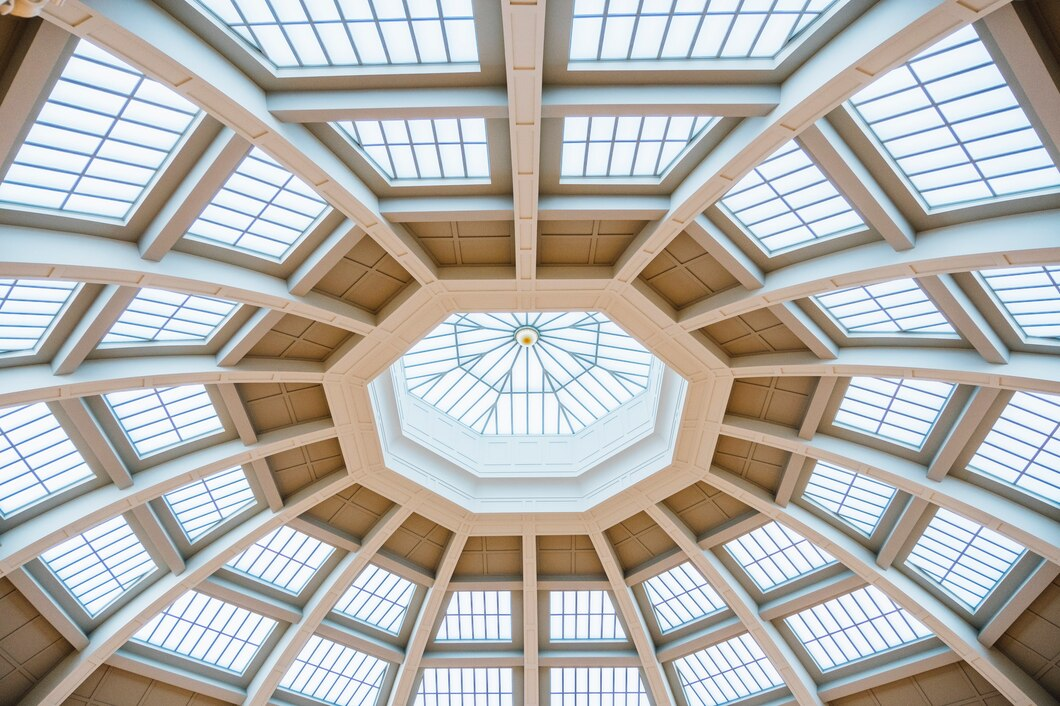
Polycarbonate roof light domes are roof-mounted daylighting units manufactured from high-quality polycarbonate sheets. Their curved or domed design captures sunlight from multiple angles throughout the day, distributing natural light evenly across interior spaces.
Unlike traditional glass rooflights, polycarbonate domes are lightweight, impact resistant, weather resistant, and designed to perform reliably in demanding environments. They are available in various sizes, glazing options, and thermal performance ratings to suit different building requirements.
Artificial lighting represents a significant portion of electricity usage in commercial and industrial buildings. Large facilities often require lights to remain on throughout working hours, even during daylight.
Polycarbonate roof light domes dramatically reduce this requirement by introducing consistent natural daylight into interior spaces.
Some of the benefits include:
With sufficient daylight entering the building, lights can remain switched off or dimmed for much of the day, resulting in noticeable energy savings.
One major advantage of dome-shaped rooflights is their ability to collect sunlight from different directions.
Unlike flat glazing systems, domes capture:
This ensures buildings receive usable natural light for longer periods each day.
The curved design also helps distribute light more evenly, minimizing dark corners and reducing the need for supplementary lighting.
One of the most immediate benefits of installing polycarbonate roof light domes is reduced electricity expenditure.
Lighting systems in commercial buildings may operate for:
By lowering the amount of artificial lighting required, businesses often see significant reductions in electricity usage over time.
The larger the building, the greater the potential savings, particularly in warehouses, manufacturing facilities, logistics centers, and retail spaces.
Modern polycarbonate roof light domes are designed with insulation in mind.
Many feature:
These designs help reduce unwanted heat transfer while still allowing high levels of natural light into the building.
Improved insulation means:
As heating and cooling equipment operates less frequently, energy costs continue to decrease.
Many modern commercial buildings incorporate daylight harvesting technology.
These systems automatically:
Polycarbonate roof light domes work exceptionally well with these smart lighting controls.
The combination creates:
This approach is becoming increasingly common in energy-efficient building design.
Natural daylight does not necessarily mean excessive heat gain.
Modern polycarbonate roof light domes are manufactured with advanced glazing technologies that help control solar heat while allowing visible light to pass through.
This provides:
Maintaining comfortable indoor temperatures with reduced cooling requirements contributes directly to lower energy bills.
Harsh sunlight can create glare, shadows, and uneven lighting conditions.
Polycarbonate roof light domes diffuse incoming daylight, creating softer and more balanced illumination.
Benefits include:
This even distribution reduces the need for additional task lighting in many workplaces.
Energy savings become even more valuable when paired with long product life.
Polycarbonate roof light domes are highly durable because they resist:
Their durability reduces repair and replacement costs over many years.
Minimal maintenance requirements also lower ongoing operational expenses.
Well-lit workplaces often create more comfortable environments for employees.
Natural daylight has been associated with:
When buildings rely less on artificial lighting and provide more natural illumination, employees often experience more comfortable working conditions throughout the day.
Polycarbonate roof light domes are particularly effective in buildings with large roof areas.
Examples include:
These facilities often have limited wall windows, making roof-mounted daylight an efficient way to brighten interior spaces.
Many organizations are working toward reducing their environmental impact.
Installing polycarbonate roof light domes supports sustainability by helping reduce:
These improvements can contribute toward green building initiatives and environmentally responsible construction practices.
One misconception is that rooflights only perform well on sunny days.
Polycarbonate roof light domes continue to admit significant amounts of diffused daylight during:
This ensures buildings continue benefiting from natural illumination even when direct sunlight is unavailable.
Although installing polycarbonate roof light domes requires an initial investment, the long-term financial benefits often outweigh the upfront costs.
Savings come from:
Over many years, these combined savings can produce a strong return on investment while improving overall building performance.
To achieve maximum energy savings, it is important to select roof light domes that provide:
High-quality products perform more efficiently and continue delivering energy savings throughout their lifespan.
Polycarbonate roof light domes offer an effective and practical solution for reducing lighting and energy costs in commercial, industrial, and public buildings. By maximizing natural daylight, improving thermal efficiency, and lowering reliance on artificial lighting and HVAC systems, these rooflights help create brighter, more comfortable, and more energy-efficient spaces.
Their durability, low maintenance requirements, and long service life make them a cost-effective investment for property owners seeking sustainable building solutions. As energy costs continue to rise and environmental responsibility becomes increasingly important, polycarbonate roof light domes remain a valuable addition to modern roofing systems that deliver lasting economic and environmental benefits.